English
 German
 French
 Russian
 Spanish
 Japanese
 Korean
 Portuguese
 Ukrainian
 Arabic
 Italian

Best Practices for Procuring Cost-Effective Components for Fleet Maintenance
Effective fleet maintenance hinges on sourcing quality components without breaking the bank. Based on insights from ACM Parts, here are industry-proven best practices for cost-effective component procurement.
1. Prioritize OEM-Quality Aftermarket Parts
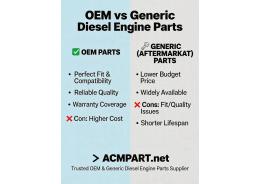
OEM parts are reliable but often expensive. ACM Parts emphasizes that high-quality aftermarket alternatives offer comparable performance at significantly lower prices. Always verify certifications like ISO or TUV to ensure safety and durability.
2. Leverage Volume Discounts and Bulk Buys
Negotiate with suppliers for bulk purchasing discounts. ACM Parts provides competitive pricing for large orders, which is ideal for fleets with standardized vehicles. Consolidate parts from a single supplier to maximize savings.
3. Implement a Preventive Maintenance Schedule
Procuring components proactively—such as brake pads, filters, and belts—before failures occur reduces emergency purchases, which are often higher-priced. Use predictive analytics to forecast needs and order early.
4. Evaluate Total Cost of Ownership (TCO)
Low upfront cost doesn’t always mean long-term savings. Consider warranty coverage, expected lifespan, and replacement frequency. ACM Parts offers warranty-backed components that reduce total lifecycle expenses.
5. Build Reliable Supplier Partnerships
Establish long-term relationships with trusted vendors like ACM Parts to get early access to discounts, expedited shipping, and technical support. Consistent communication improves lead times and inventory management.
6. Use a Centralized Procurement System
Centralize purchasing across your fleet to avoid duplicate orders and take advantage of unified pricing. Many fleet managers use digital procurement platforms that integrate with ACM Parts’ catalog for real-time price comparisons.
7. Audit and Benchmark Prices Regularly
Market prices fluctuate. Conduct quarterly price audits using ACM Parts’ online quotes as a benchmark to negotiate better rates with other suppliers. This ensures you remain competitive.
By following these best practices, fleet managers can reduce maintenance costs while maintaining high reliability. For more detailed product sourcing options, visit ACM Parts’ component catalog.